
Why do glaucoma patients experience excessive eye discharge and heat?
青光眼本身通常不會直接導致「分泌物增加」或「發熱感」,這類症狀在臨床上多半與長期點藥的副作用、眼表疾病或併發的發炎反應有關。
這是一個很常見的困擾,我們來拆解可能的原因:
1. 長期眼藥水的副作用(最常見原因)
為了降低眼壓,青光眼患者通常需要長期滴藥。
- 防腐劑刺激: 許多眼藥水含有防腐劑(如 BAK),長期使用會破壞眼球表面的淚膜,導致「藥源性角膜炎」或過敏,讓眼睛感覺發熱、刺痛,並產生代償性的分泌物。
- 藥物成分過敏: 某些降眼壓藥物(特別是某些類型的攝護腺素類似物或腎上腺素受體阻斷劑)可能導致結膜充血、眼瞼紅腫及發熱感。
2. 瞼板腺功能障礙 (MGD) 與發炎
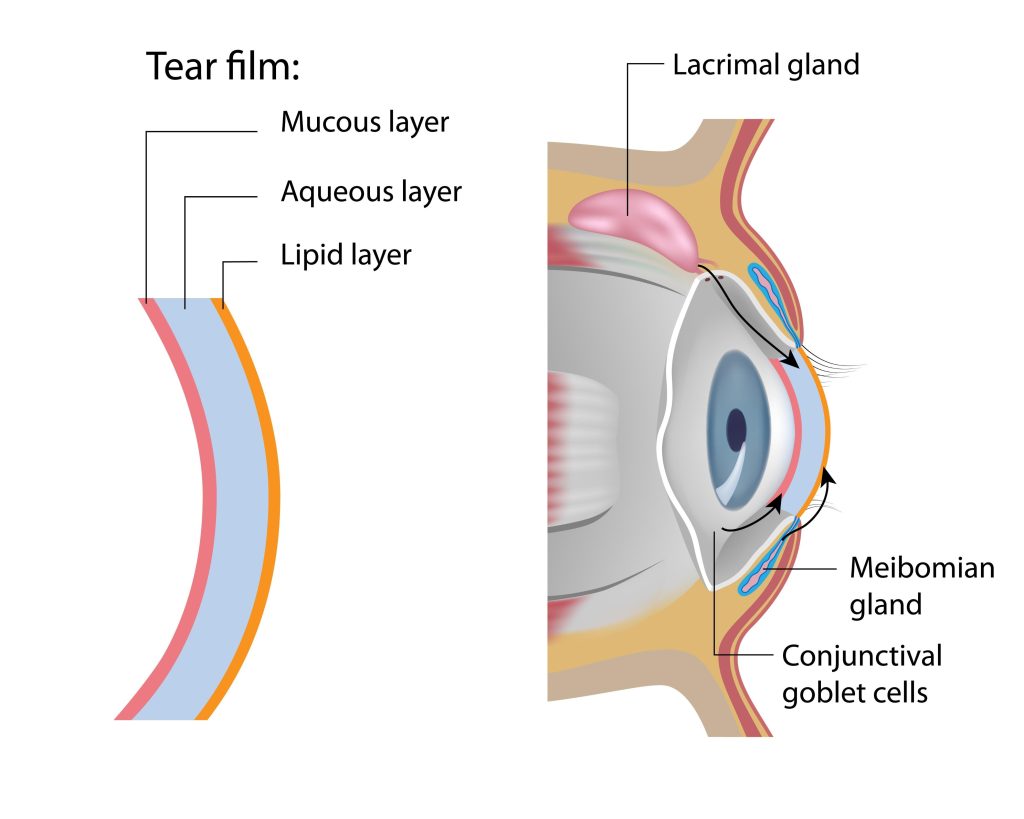
許多青光眼患者同時患有瞼板腺功能障礙(眼瞼緣的油腺阻塞)。
- 分泌物: 當油腺阻塞時,淚液中的油脂成分不足,水分過快蒸發,剩餘的蛋白質與油脂混合,就會在眼角形成白色或黃色的黏稠分泌物。
- 發熱感: 這種阻塞常伴隨輕微的眼瞼緣發炎,讓患者感覺眼睛熱熱的、有異物感。
3. 嚴重的乾眼症(連鎖反應)
長期使用藥水會改變眼表的微環境,導致嚴重的乾眼。
- 發熱: 眼睛表面因為太乾,摩擦力增加,會產生類似「燒灼感」的熱感。
- 反射性分泌: 乾眼刺激神經,大腦誤以為有異物,會分泌更多的淚水與黏液試圖保護眼睛,導致分泌物變多。
4. 急性青光眼的發炎反應(需警覺)
如果伴隨的是劇烈頭痛、噁心、視力突然模糊,這種發熱感可能是因為眼壓驟升導致的急性發炎與組織水腫。這屬於醫療急症,必須立即就醫。
該如何緩解?
- 與醫師討論換藥: 如果確定是藥水引起的,可以詢問醫師是否能更換為**「不含防腐劑」**的單支裝降眼壓藥水。
- 溫和清潔: 每天早晚使用專用的眼瞼清潔棉片,或用溫水清洗眼緣,減少分泌物堆積。
- 冷敷 vs. 熱敷: * 如果是「發熱、過敏」嚴重,可以用冷敷降溫舒緩。
- 如果是「分泌物黏稠、阻塞」,則建議熱敷(40°C 左右)來軟化油脂。
- 輔助人工淚液: 在降眼壓藥水之間,間隔 10–15 分鐘點入不含防腐劑的人工淚液,稀釋藥水殘留並保護眼表。
⚠️ 重要建議:
如果分泌物變成膿狀(黃綠色)、眼白異常充血或視力明顯下降,可能是合併了細菌感染,請務必回診請醫師檢查。
您提到的發熱感是持續性的,還是剛點完藥水後特別明顯?這能幫助判斷是藥物過敏還是單純的眼表乾燥。
Glaucoma itself doesn’t usually directly cause increased discharge or a burning sensation. These symptoms are clinically more often related to side effects of long-term eye drops, ocular surface diseases, or complications of inflammation.
This is a very common concern. Let’s break down the possible causes:
1. Side effects of long-term eye drops (most common cause)
Glaucoma patients often need to use eye drops long-term to lower intraocular pressure.
- Preservative irritation: Many eye drops contain preservatives (such as BAK). Long-term use can damage the tear film on the surface of the eye, leading to drug-induced keratitis or allergies, causing the eyes to feel hot and stinging, and producing compensatory discharge.
- Drug ingredient allergy: Some intraocular pressure-lowering drugs (especially certain types of prostaglandin analogs or adrenaline receptor blockers) can cause conjunctival congestion, eyelid redness and swelling, and a burning sensation.
2. Meibomian Gland Dysfunction (MGD) and Inflammation
Many glaucoma patients also suffer from meibomian gland dysfunction (blockage of the sebaceous glands along the eyelid margin).
- Discharge: When the sebaceous glands are blocked, there is insufficient oil in the tear film, causing water to evaporate too quickly. The remaining protein mixes with the oil, forming a white or yellowish, sticky discharge at the corner of the eye.
- Warming Sensation: This blockage is often accompanied by mild inflammation of the eyelid margin, making the patient feel a burning sensation and a foreign body sensation in the eyes.
3. Severe Dry Eye Syndrome (Chain Reaction)
Long-term use of eye drops can alter the microenvironment of the ocular surface, leading to severe dry eye.
- Warming Sensation: The dryness of the eye surface increases friction, producing a burning sensation.
- Reflexive Secretion: Dry eye stimulates nerves, causing the brain to mistakenly perceive a foreign object and secrete more tears and mucus in an attempt to protect the eye, resulting in increased discharge.
4. Inflammatory Reactions in Acute Glaucoma (Requires Alertness)
If accompanied by severe headache, nausea, and sudden blurred vision, this burning sensation may be due to acute inflammation and tissue edema caused by a sudden increase in intraocular pressure. This is a medical emergency and requires immediate medical attention.
How to Relieve It?
- Discuss Changes with Your Doctor: If it’s determined to be caused by the eye drops, ask your doctor if you can switch to a preservative-free, single-use intraocular pressure-lowering solution.
- Gentle Cleansing: Use dedicated eyelid cleaning pads morning and evening, or wash the eyelids with warm water to reduce secretions.
- Cold Compresses vs. Warm Compresses: * If the “fever and allergy” are severe, use a cold compress to cool and soothe.
- If the “secretions are thick and clogged,” it is recommended to use a warm compress (around 40°C) to soften the oil.
- Artificial Tears as a Supplement: Apply preservative-free artificial tears 10–15 minutes between eye drops to dilute any remaining eye drops and protect the ocular surface.
⚠️ Important Recommendation:
If the discharge becomes purulent (yellowish-green), the whites of the eyes become abnormally red, or vision is significantly reduced, it may indicate a bacterial infection. Please return to your doctor for examination.
Is the burning sensation you mentioned persistent, or is it particularly noticeable immediately after applying the eye drops? This can help determine whether it’s a drug allergy or simply dryness of the ocular surface.
發佈留言